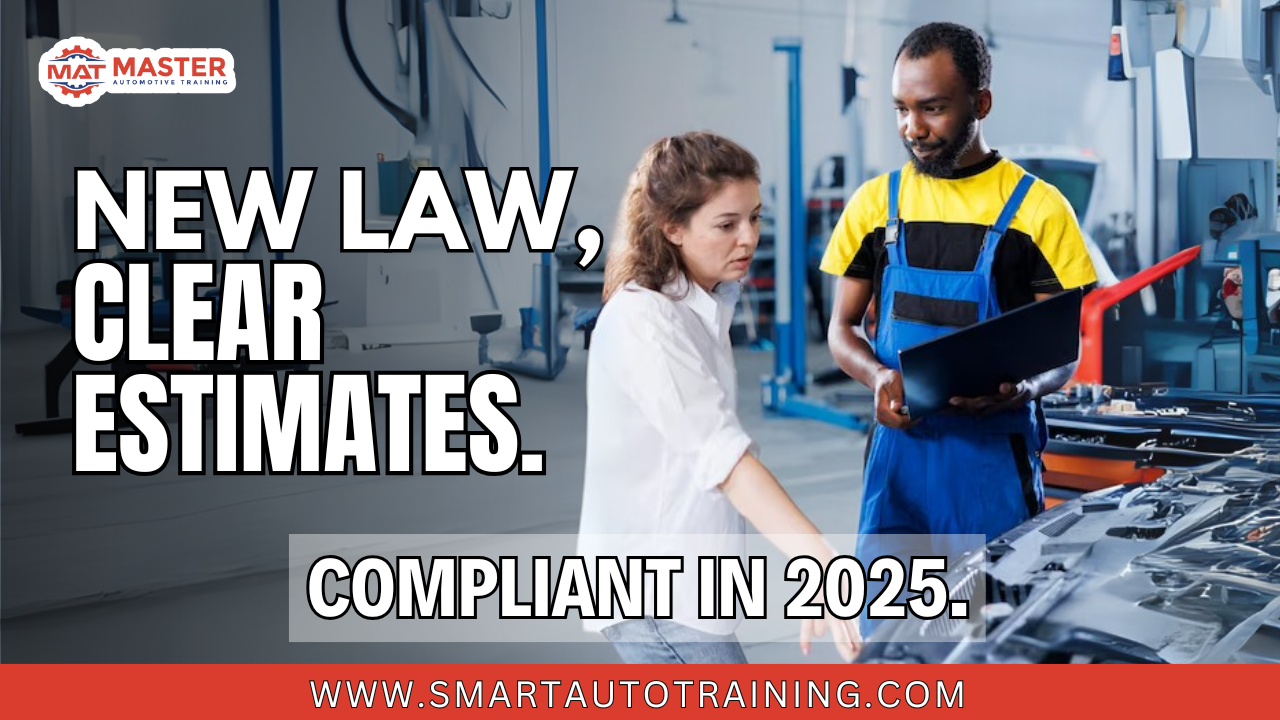
If you’re a shop owner, technician, or automotive student, there’s a new California regulation you must know: the updated Tear Down Disclosure Rule from the Bureau of Automotive Repair (BAR). Starting in 2025, this law changes how shops handle disassembly for inspection. Knowing the rule isn’t just about compliance—it’s about building trust and protecting your business.
In this blog, we’ll break down what’s changed, how it affects you, and how to stay on the right side of the law.
What Is a “Tear Down” in Auto Repair?
In simple terms, a tear down is when a technician takes apart a part or area of the vehicle to inspect it. This is often necessary when a visible inspection or scan tool isn’t enough to find the issue or give a repair estimate.
Under the updated rule, this common process now comes with new responsibilities for the shop.
A Tear Down Now Requires a Separate Estimate
Before starting any tear down, shops must provide a detailed, separate estimate and get customer approval. This estimate must include:
- The cost of the tear down
- What part or system will be disassembled
- The cost to reassemble the vehicle if the customer declines the repair
- The price of gaskets, seals, or parts that may get damaged during disassembly
- A disclosure if full restoration may not be possible
- The maximum time needed to reassemble the vehicle
These details ensure that the customer understands what they’re agreeing to—before any bolts are removed.
After the Tear Down: What Comes Next?
Once the part is disassembled and the issue diagnosed, here’s what repair shops must do next:
- Provide a second estimate for the repair
- Get new authorization from the customer
- If the customer declines the repair, either reassemble the vehicle or leave it as-is (as noted in the original estimate)
- Document everything in writing
This process keeps both sides protected and reduces confusion, payment issues, or legal disputes.
Why This Law Matters for Your Shop or Career
While this rule adds a few extra steps, it benefits everyone involved. For shops, it means:
- Fewer misunderstandings with customers
- Better communication with third-party payors
- Lower risk of legal or financial trouble
For students and apprentices, this is a chance to see how technical work and customer service go hand in hand. Understanding this law shows employers that you’re ready to handle real-world responsibilities with confidence.
Stay Compliant with Smart Auto Training
At Smart Auto Training, we go beyond teaching repairs—we teach real-world readiness. Our courses cover everything from diagnostics and safety to BAR regulations like this updated tear down rule. Whether you’re working toward your Smog Check license or sharpening your skills, we’re here to help.
Call us at 909-539-0114 or
Visit www.smartautotraining.com to learn more about our programs and upcoming classes.